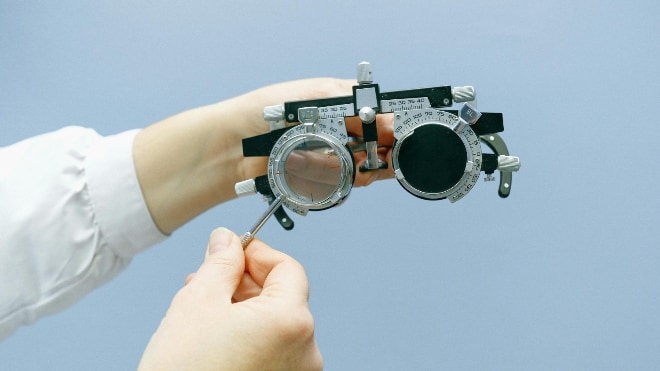
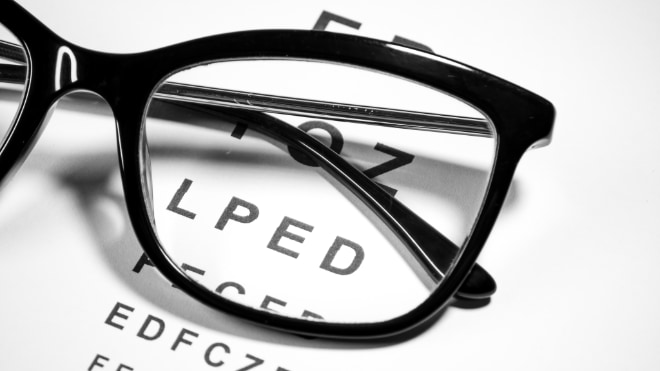
Initially perceived as mere aids for improving sight, eyeglasses have undergone a significant transformation in how they are commercialised and regulated.
The Evolving Status of Eyewear
Their role has evolved from a simple visual accessory to a recognised tool for addressing medical conditions affecting vision. This shift reflects our deeper understanding of the complexities of vision and its impact on overall health.
The Path to Medical Classification
Several changes marked the path towards classifying eyeglasses as medical devices. A primary driver was the growing medical understanding of refractive errors – conditions like myopia (near sightedness) and hyperopia (farsightedness) were no longer simply inconveniences but medical conditions affecting the eye’s ability to focus light correctly.

Eyeglasses are classified as medical devices because they physically alter the angle of incoming light to compensate for myopia (where light focuses in front of the retina) and hyperopia (where light focuses behind it), effectively treating a medical condition rather than just providing a visual aid.
Historically, the turning point occurred as international standards bodies and government health agencies, such as the FDA in the United States and the European Commission, began formalising safety requirements in the late 20th century. They recognised that eyeglasses were a medical necessity for safe daily functioning. Another crucial phase involved increasing concerns about the safety and performance of eyewear materials, such as the flammability of frames or the impact resistance of lenses.
Modern Oversight
Today, eyeglasses are firmly established as medical devices and are subject to stringent regulations. Under frameworks like the EU Medical Device Regulation (MDR), the UK Medical Device Regulations (UK MDR 2002), and the US Code of Federal Regulations (21 CFR Part 800), manufacturers must meet specific quality control measures.
Compliance with these regulations, including the adherence of international standards like ISO 13485 for quality management systems, is a prerequisite for bringing product to market.
Navigating Global Regulatory Landscapes: The Ophthalmic device risk ladder
Manufacturers must determine the appropriate device classification based on the device’s intended use, the specific clinical claims made, and whether the glasses require a prescription. Furthermore, they must navigate each regulatory body’s specific set of classification rules, which are rooted in the device’s unique risk profile.
Class I: Lower Risk Devices
This category typically includes the lowest risk medical devices and are subject to the least regulatory control. Basic requirements focus on ensuring safety and proper manufacturing.
| Characteristics | Low risk, simple design, well-established safety |
| Examples | Non-prescription reading glasses and basic safety glasses that meet standard impact requirements without advanced claims |

Class II: Moderate Risk Devices
These devices pose a moderate risk and require additional measures ensure efficacy.
| Characteristics | A device moves from Class I to Class II when it makes specific clinical claims or features enhanced performance that could impact patient health if they fail |
| Examples | While basic safety glasses are Class I, glasses that claim to protect against high-velocity impact or specific laser radiation are Class II because a failure results in permanent injury. Similarly, prescription lenses are often higher regulated because an incorrect grind (the shaping of a lense to fulfil a perscription) can lead to severe headaches, nausea, or impaired depth perception. |
Class III: Premarket Approval
Class III devices are the highest risk and usually require Premarket Approval (PMA), involving rigorous clinical data to prove safety.
| Characteristics | Complex ophthalmic devices |
| Examples | While standard contacts are often Class II, “specialist” lenses, such as those used for orthokeratology (reshaping the cornea overnight) or lenses infused with medication delivery systems, fall into higher risk categories because they interact directly with the ocular surface and pose a higher risk of infection or permanent corneal damage. |
Strategic Path Through Regulation
Common Industry Oversights
In our experience navigating diverse eye care projects, we’ve identified several critical oversights that can derail a product’s path to market.
- Define the correct intended use: Marketing teams often aim for broad appeal by mentioning “digital eye strain” or “sleep hygiene” in relation to blue light. However, these claims can inadvertently reclassify a simple Class I frame into a higher regulatory tier, requiring clinical evidence to support the physiological health claims.
- Biocompatibility of Materials: A frequent industry pitfall is focusing solely on lens optics while overlooking the frame’s chemical composition. Under standards like ISO 10993 (referenced within ISO 13485 frameworks), if a frame plastic or coating causes skin sensitisation or allergic reactions in users, it can trigger a mandatory market recall even if the vision correction is flawless.
- Nickel Leach Testing: Many manufacturers are surprised to find that even high-quality metal frames must undergo rigorous testing for nickel release. If your product is sold in the EU or UK, failing a nickel leach test can halt distribution immediately, as it is a major focus for consumer safety regulators.
Managing the Timeline
The approval journey can be time-consuming. It is vital to research typical review timelines, which can range from months to over a year, and factor them into launch plans.
- Mitigating Delays: The most effective way to avoid “stop-the-clock” requests from regulators is to submit a technically complete and “audit-ready” application from day one.
- Pre-Submission Strategy: For manufacturers developing complex or novel ophthalmic technologies for the US market, we strongly recommend an FDA pre-submission meeting.
- Post-Market Vigilance: Remember that the timeline doesn’t end at launch. Maintaining a robust Quality Management System (QMS) under ISO 13485 is an ongoing requirement to ensure continued compliance and consumer trust.
When to Bring in an Expert
When in-house regulatory expertise is lacking, when entering new and unfamiliar markets, or when dealing with complex or high-risk devices, engaging a regulatory consultant can be a strategic move.
When selecting a consultant, prioritise those with a demonstrable track record in your specific device type and target markets. Verifying their credentials and seeking references from previous clients can provide valuable insights into their capabilities. Assess their communication style to ensure they can explain intricate regulations in a clear and understandable manner.
The ideal consultant will take the time to thoroughly understand your business and products and will be proactive and responsive to your needs throughout the engagement. We offer such a service here at Mantra Systems, so reach out if you’d like to explore this with us.
Compliance is the Key to Global Market Access
In essence, eyewear manufacturers operating in today’s environment must recognise that their products are not merely accessories but critical medical devices subject to rigorous oversight. Navigating the complexities of regulations from bodies like the FDA, the EU MDR, and the UK MDR, while also adhering to international standards such as ISO 13485, is paramount. Understanding device classifications, maintaining meticulous documentation, and prioritising quality management are not just compliance exercises; they are fundamental to ensuring product safety and gaining access to global markets.