
With the implementation of the EU Medical Device Regulation (MDR) 2017/745, the regulatory landscape for drug-device combination products (DDCs) has undergone significant changes.
One of the most impactful updates is Article 117, which introduces new conformity assessment obligations for the device components of medicinal products. This article provides a clear, step-by-step overview of how manufacturers can navigate these requirements, obtain the necessary CE marking or Notified Body Opinion (NBOp), and achieve successful EU market approval for their combination products. Whether you are developing a pre-filled syringe, drug-eluting stent, or auto-injector, understanding these new regulatory expectations is essential for timely and compliant market access.
What is a drug-device Combination Product?
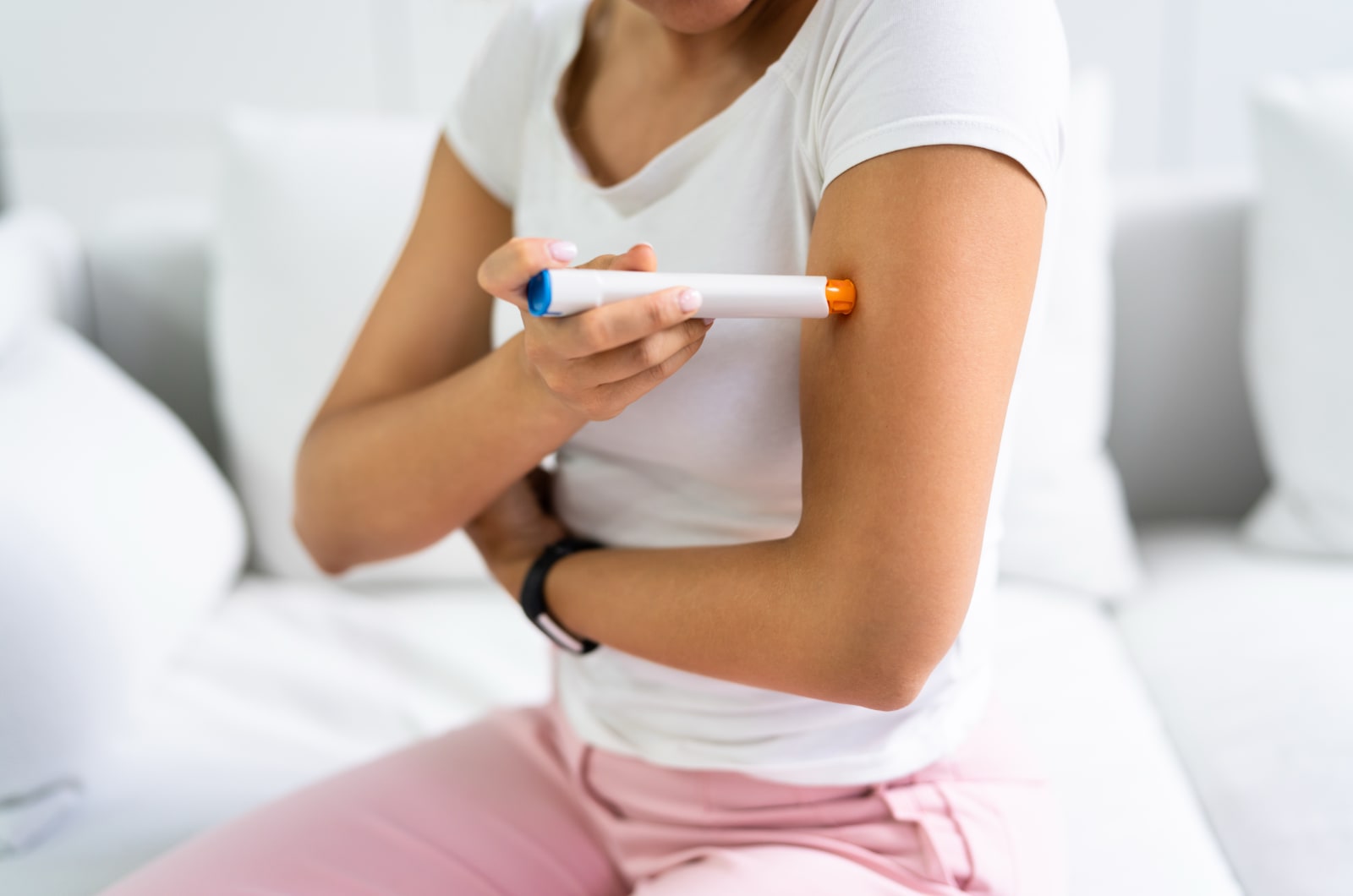
A drug-device combination product integrates a medicinal product and a medical device into a single, combined product. These products are designed to improve patient outcomes by delivering medication through a controlled, targeted method or simplifying treatment administration.
Additionally, the European Medicines Agency (EMA) provides the most meaningful definition, describing the combination, and which is stated as:
“The medical device may be supplied as an integral component of the medicinal product (e.g., pre-filled syringe, auto-injector) or separately (co-packaged; e.g., oral syringe, pen-injector), as a non-integral combination with the medicinal product, or independently marketed (in cases where the device meets the requirements for the necessary delivery system stated in the Summary of Product Characteristics (SmPC) for the medicinal product).”
How is a product categorised as a medicinal product, or a medical device based on its mode of action?
Under EU MDR 2017/745, the classification of a drug-device combination product is determined by its Primary Mode of Action (PMOA) - that is, the principal intended action by which the product achieves its therapeutic purpose in or on the human body.
The PMOA guides whether a product is regulated as a medical device or a medicinal product as follows.
Device-led combination products
These are regulated as medical devices if the action of the device is the primary intended effect, and any medicinal substance present plays only an ancillary, supportive, or secondary role to the device’s physical, mechanical, or other non-pharmacological action.
In such cases, while the device is assessed under the MDR 2017/745, a consultation procedure with a competent authority or EMA is still required to assess the ancillary medicinal substance’s quality, safety, and usefulness.

Drug-led combination products
These are regulated as medicinal products if the action of the medicinal substance is the primary, principal, and prominent effect, with the device element serving a supplementary or supporting function (e.g., a pre-filled syringe administering a drug).
These are authorised under the Medicinal Products Directive 2001/83/EC or Regulation (EC) No 726/2004 depending on the route, with specific obligations under MDR Article 117 for the device part.
Correctly identifying and documenting the PMOA at the earliest development stage is crucial, as it defines the applicable regulatory framework, conformity assessment obligations, and Notified Body (NB) or Competent Authority (CA) involvement required for EU market approval.
Article 117 - CE Marking Requirements for Combination Products
Article 117 of the EU MDR requires that the device component of a drug-device combination undergoes formal assessment by a Notified Body to ensure that it meets the applicable requirements of the EU MDR. The results of the assessment of the conformity of the device part shall be included in the marketing authorisation dossier.
The necessity of a declaration of conformity and an EU certificate issued by a notified authority for the evaluation of compliance of the device part and the drug-device Combination marketing authorisation dossier is the most significant change brought about by Article 117 of the EU MDR.
Article 117 of the new EU MDR amends Annex I of the Medicinal Product Directive (MPD) 2001/83/EC, point 12 of Section 3.2. This states that:
“(12) Where, a product is governed by this Directive, the marketing authorization dossier shall include, where available, the results of the assessment of the conformity of the device part with the relevant general safety and performance requirements set out in Annex I to that Regulation contained in the manufacturer’s EU declaration of conformity or the relevant certificate issued by a notified body allowing the manufacturer to affix a CE marking to the medical device.
If the dossier does not include the results of the conformity assessment referred to in the first subparagraph and where for the conformity assessment of the device, if used separately, the involvement of a notified body is required in accordance with Regulation (EU) 2017/745, the authority shall require the applicant to provide an opinion on the conformity of the device part with the relevant general safety and performance requirements set out in Annex I to that Regulation issued by a notified body designated in accordance with that Regulation for the type of device in question.”
Article 117 requires:
- The device component of a combination product must meet the General Safety and Performance Requirements (GSPRs) of Annex I of the MDR.
- Evidence of this conformity must be included in the Marketing Authorisation Application (MAA).
- Requires either:
- A CE certificate issued by a Notified Body (NB) for the device component, or
- A Notified Body Opinion (NBOp) confirming conformity if the device is not CE marked.
Article 117 affects integral products, referenced and co-packaged device components where the medicinal substance achieves the principal mode of action, such as those devices intended to administer a medicinal product.
Single integral products comprise a device component with a medicinal product, intended to be used exclusively in the given combination and are not reusable (multi-dose products which cannot be refilled fall within this criteria). When the device is integrated with a medicinal substance where the action of that substance is principal, or when the medical device administers a medicinal product forming a single integral product, such devices are considered an integral product (a combination of a medical device and a medicinal product).
Co-packaged products comprise a medicinal product where the medical device is packed together with the medicinal product.
Referenced products include a medicinal product where the product information refers to a specific medical device to be used with the medicinal product and where the medical device is obtained separately.
| Product Type | Regulatory Oversight | Conformity Requirement | Compliance Route |
|---|---|---|---|
| Single Integral Products | Directive 2001/83/EC or Regulation (EC) No 726/2004 | NBOp or CE mark for the device part | Must meet: - Combined into a single, integral product - Not reusable - Only intended to be used in combination |
| Co-packaged Devices | MDR 2017/745 | Must be CE marked | Class I non-sterile, non-measuring: self-certified All other classes: NB involvement required |
| Referenced Devices | MDR 2017/745 | Must be CE marked | Class I non-sterile, non-measuring: self-certified All other classes: NB involvement required |
Submission Process Overview
- Determine applicability of Article 117 (e.g., non-CE marked)
- Identify an NB with MDR designation in the relevant product technology.
- Assess which GSPRs apply to your device.
- Obtain scientific evidence demonstrating compliance with each applicable GSPR.
- Prepare Technical documentation accordance with MDR Annex II.
- Apply for CE mark or NBOp, depending on the device status.
- Receive NB opinion or CE certificate.
- Include in the MAA submission.
Notified Body Opinion (NBOp) and CE Marking Requirements under MDR Article 117
Manufacturers of medical devices intended for use in drug-device combination products must obtain CE marking through an appropriate conformity assessment process applicable to the device. The resulting CE certificate must then be included in the Marketing Authorisation Application (MAA).
The assessment report of the NB concluding the requested opinion should be designed in a way that the medicine’s competent authority can rely on it for the final marketing authorisation (MA). Hence, representatives of the NB and the EMA should discuss the expectations and requirements in advance to ensure a consistent procedure.
For new marketing authorisation applicants to establish that the device component of a drug-device combination product meets the MDR requirements established in Annex I of the Regulation, a DoC or CE mark will be required. If not, they must provide opinions from NBs supporting conformity to MDR Annex I rules.
CE Marking Route
Manufacturers of drug-device combination (DDC) products must ensure the device component undergoes a conformity assessment as per the applicable device classification and requirements under EU MDR 2017/745.
If the device component already holds a CE mark, the manufacturer must:
- Include the Declaration of Conformity (DoC) and CE certificate issued by a Notified Body (NB) in the Marketing Authorisation Application (MAA).
- Ensure that the device has undergone the appropriate conformity assessment procedure for its risk class and intended use.
Notified Body Opinion (NBOp) Route
If the device is not CE marked for the specific intended use:
- The manufacturer must apply to an EU MDR-designated NB to obtain an opinion on the device’s conformity with the General Safety and Performance Requirements (GSPRs) outlined in Annex I of the MDR.
- This NBOp must be submitted with the MAA and is mandatory for initial marketing authorisation or any substantial design changes (e.g., new device, major modifications).
How to select a Notified Body?
If a NBOp is necessary, selecting an accredited NB is the next step. While New Approach Notified and Designated Organisations (NANDO) Information System lists 50 NBs accredited under MDR. However, not all of them provide Article 117 services EFPIA members typically select from a group of 4 commonly used NBs. This preference may come from having an established relationship, or business considerations such as the NB expertise, dedicated resources for review, and/or offering expedited review options.
Companies usually initiate contact with their selected NB approximately nine months before their planned NBOp submission. Most of these assessments relate to initial Marketing Authorization (MA) Applications (MAAs), with 92% of companies agreeing on a submission slot and established review timelines with the NBs. This ensures alignment with the EMA MA timelines, in which EMA has strongly recommended submitting the NBOp at time of submission, especially for short variations procedures. However, some companies prefer and have been successful with parallel reviews in which the NBOp is provided during the MAA review procedure. Misalignment of these timelines can lead to delays in the approval process, highlighting the need for proactive communication with the EMA.
To streamline the process, early discussions (e.g. project introduction; structured dialogue) with the NB is highly advantageous. These discussions facilitate collaboration and provide early regulatory guidance, issue identification, improved submission quality, and efficient resource planning. Early planning is crucial for selecting the right NB, establishing contractual agreements, securing a submission slot for timely EMA submission, and involving suppliers early to support the creation of GSPR-compliant deliverables.
How long does it take to obtain a Notified Body Opinion (NBOp)?
The timeframe for obtaining an NBOp can vary considerably and largely depends on the quality and completeness of the documentation initially submitted to the Notified Body (NB), as well as the number of “clock stops” required to address requests for clarification or additional information. Engaging directly with an NB at the outset is therefore advisable, as it allows applicants to establish realistic timelines for assessment and ensure expectations are aligned. Whether an NBOp is sought to accompany a Marketing Authorisation Application (MAA), a variation, or a line extension, early dialogue with the NB is essential to avoid unnecessary delays.
The Notified Body, BSI has indicated in its guidance materials that the NBOp process typically takes between two and six months to complete. While this timeframe is not explicitly stated as being specific to MAAs, it can reasonably be inferred that this range applies to NBOp assessments in support of such applications.
Technical Documentation Requirements
To obtain a Notified Body Opinion (NBO), manufacturers must provide their technical documentation to the Notified Bodies, ensuring it contains adequate scientific evidence and data to validate the product’s claims. The requirements for this documentation are outlined in Annex II of the Medical Device Regulation (MDR). This comprehensive documentation is essential to support the evaluation process and typically encompasses a wide range of detailed technical and clinical information.
| Documents | Purpose |
|---|---|
| Risk Management Documentation | Demonstrates identification and control of risks (ISO 14971 compliant). |
| Safety and Performance Data | Includes clinical data to prove safe and effective use with the drug. |
| Functionality Testing | Verifies performance accuracy (e.g., dosage accuracy, mechanical reliability). |
| Usability / Human Factors Testing | Ensures user-friendly design with minimal risk in real-world use. |
| Instructions for Use (IFU)/Training for users | Provides end-user with safety-critical usage guidelines and training info. |
| Compatibility Testing | Ensures safe and effective interaction between drug and device materials. |
| Sterilization Validation & Sterility Test Data | Proves the device meets sterility assurance levels as per ISO 11135/11737. |
| Packaging Validation Testing | Confirms protection and stability of the device in packaging. |
Practical Challenges and Regulatory Expectations
- Due to expanded MDR requirements, the number of NBs with scope for combination products has decreased, limiting manufacturer options.
- Pharmaceutical companies may find it challenging to locate a suitably designated NB, especially under time constraints.
- The format and clarity of the conformity evidence are critical. The NB’s final assessment report must be clear and structured so that Medicines Competent Authorities (e.g., EMA or national authorities) can rely on it during the MAA review.
- Manufacturers and their designated NB should engage with regulators early to harmonise expectations and avoid submission delays.
Article 117 under EU MDR 2017/745 represents a significant regulatory advancement in the way drug-device combination products are assessed and authorised within the European Union. Manufacturers must ensure that the device components of their drug-device combination products either hold a valid CE mark or are supported by a Notified Body Opinion (NBOp) confirming compliance with the General Safety and Performance Requirements (GSPRs) outlined in Annex I of the MDR. These conformity assessment results, whether a CE certificate or NBOp, must be included in the marketing authorisation dossier, with an NBOp being mandatory for any device components that do not yet hold CE marking. By following a structured, well-documented approach and engaging early with regulatory authorities and Notified Bodies, manufacturers can navigate Article 117 requirements efficiently, ensuring timely and compliant EU market access for their combination products.
If you have any questions about this article or would like to learn how Mantra Systems can support your MDR compliance, get in touch.